

Introduction
Literature has always been a profound medium through which humanity explores its deepest thoughts, emotions, and experiences.
Over the centuries, numerous writers have left indelible marks on the literary world, offering not only engaging stories but also invaluable lessons about life, society, and the human condition.
In this article, we delve into the lives and works of 20 iconic writers, uncovering the timeless wisdom they imparted through their writings.
1. William Shakespeare

Lesson: The Complexity of Human Nature
Shakespeare’s plays and sonnets reveal the multifaceted nature of humanity, illustrating that people are capable of both great good and profound evil. His works encourage readers to explore the depths of human emotions and motivations.
2. Jane Austen

Lesson: The Importance of Social Commentary
Austen’s novels often critique the societal norms of her time, especially regarding gender roles and class distinctions. She teaches us to question and reflect on the social structures that shape our lives.
3. Charles Dickens

Lesson: Social Justice and Compassion
Through his vivid depictions of Victorian England, Dickens highlighted the plight of the poor and the importance of social reform. His stories inspire empathy and a desire for societal improvement.
4. Leo Tolstoy
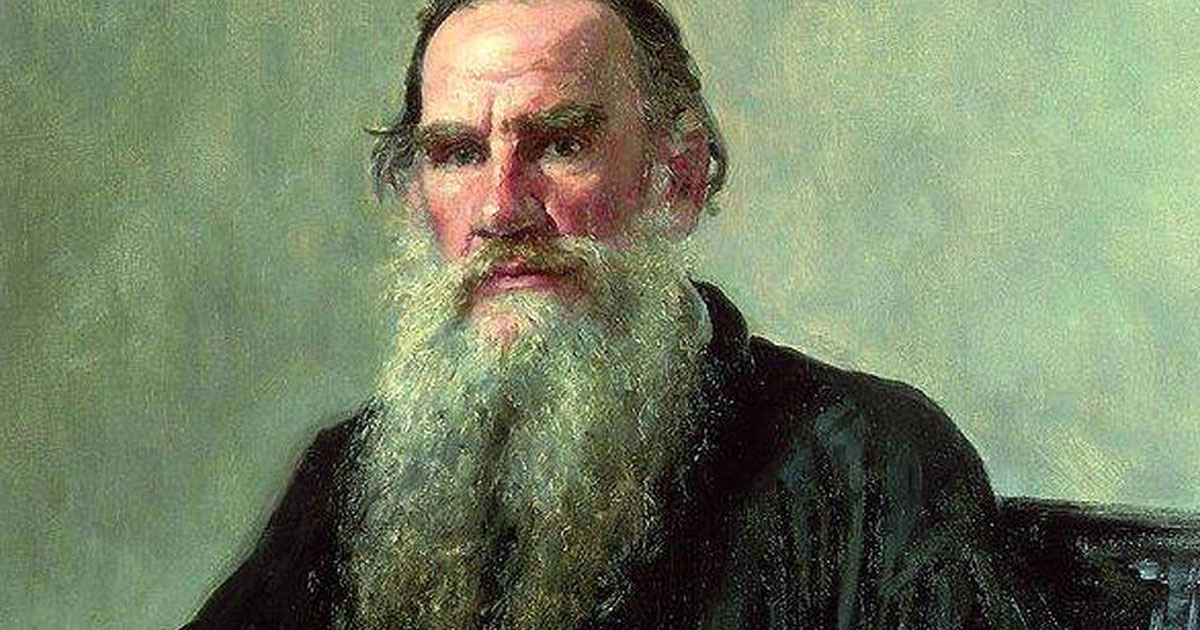
Lesson: The Search for Meaning
Tolstoy’s exploration of existential themes in works like “War and Peace” and “Anna Karenina” encourages readers to ponder life’s purpose and the pursuit of true happiness.
5. Homer

Lesson: Heroism and the Human Journey
The epic tales of “The Iliad” and “The Odyssey” delve into themes of bravery, perseverance, and the hero’s journey, reminding us of the enduring nature of these qualities.
6. Fyodor Dostoevsky

Lesson: The Depths of the Human Psyche
Dostoevsky’s novels explore the darkest corners of the human mind, offering insights into the complexities of morality, faith, and free will.
7. Mark Twain
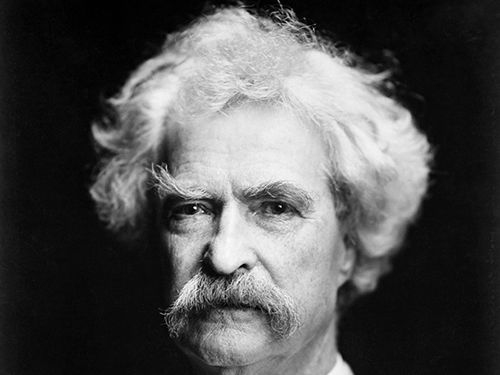
Lesson: The Power of Satire
Twain’s sharp wit and satirical style shed light on social injustices and human follies, demonstrating the power of humor in effecting change.
8. Gabriel Garcia Marquez

Lesson: Magical Realism and Cultural Identity
Marquez’s blend of reality and fantasy in works like “One Hundred Years of Solitude” celebrates Latin American culture and history, teaching us about the richness of diverse cultural narratives.
9. Virginia Woolf

Lesson: The Stream of Consciousness
Woolf’s innovative narrative techniques, particularly her use of stream of consciousness, highlight the fluidity of human thought and the inner lives of her characters.
10. James Joyce

Lesson: Breaking Literary Conventions
Joyce’s complex, non-linear storytelling in works like “Ulysses” challenges readers to think outside traditional narrative structures and embrace new ways of understanding literature.
11. Franz Kafka

Lesson: The Absurdity of Existence
Kafka’s surreal and often nightmarish stories reflect the absurdity and alienation of modern life, prompting readers to confront the uncertainties of existence.
12. George Orwell

Lesson: The Dangers of Totalitarianism
Orwell’s dystopian novels, such as “1984” and “Animal Farm,” serve as cautionary tales about the perils of unchecked political power and the erosion of individual freedoms.
13. Herman Melville

Lesson: Obsession and the Human Spirit
Melville’s “Moby-Dick” delves into the destructive nature of obsession and the complexities of human ambition and resilience.
14. Toni Morrison

Lesson: The African American Experience
Morrison’s powerful narratives, including “Beloved,” explore the African American experience, shedding light on themes of identity, trauma, and community.
15. Albert Camus
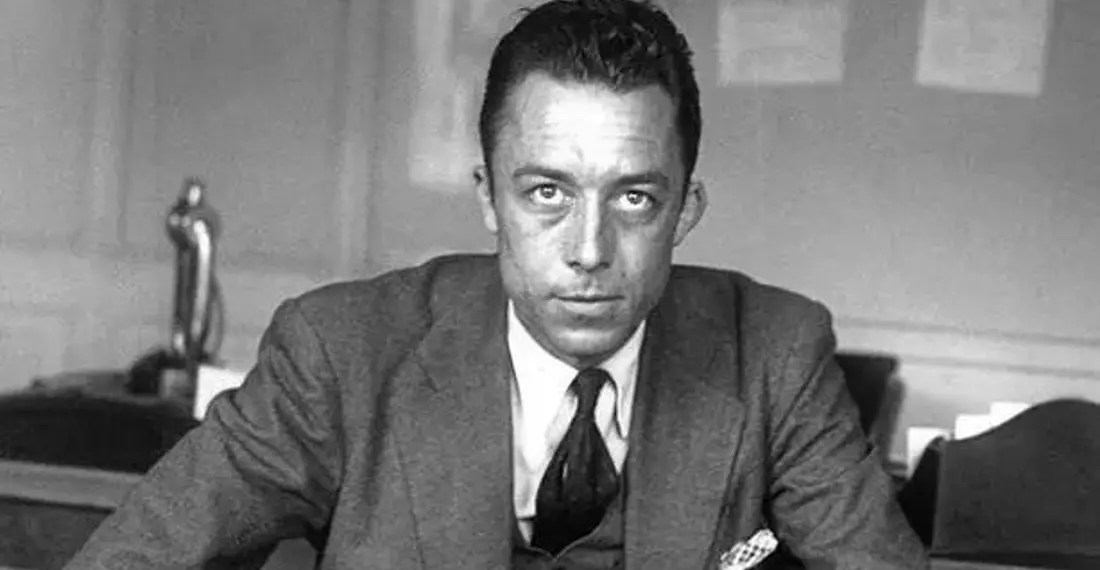
Lesson: The Philosophy of Absurdism
Camus’ exploration of absurdism in “The Stranger” and “The Myth of Sisyphus” challenges readers to find meaning in a seemingly indifferent universe.
16. Ernest Hemingway

Lesson: The Art of Simplicity
Hemingway’s minimalist writing style demonstrates the power of simplicity in storytelling, focusing on the essence of human experiences and emotions.
17. Haruki Murakami

Lesson: The Surreal in the Everyday
Murakami’s blend of the surreal and the mundane invites readers to see the extraordinary in the ordinary, questioning the boundaries of reality.
18. Sylvia Plath

Lesson: The Struggles of Mental Illness
Plath’s confessional poetry and novel “The Bell Jar” provide a raw and poignant look at mental illness, advocating for greater understanding and empathy.
19. J. R. R. Tolkien

Lesson: The Power of Myth and Fantasy
Tolkien’s creation of intricate fantasy worlds in “The Lord of the Rings” series underscores the enduring power of myth and the importance of imagination.
20. Chinua Achebe

Lesson: Post-Colonial Identity
Achebe’s “Things Fall Apart” examines the impacts of colonialism on African societies, emphasizing the importance of cultural heritage and identity.
Conclusion
The works of these 20 iconic writers span centuries and cultures, yet they share a common thread: the exploration of the human condition.
Through their stories, they have left us with lessons that transcend time, offering insights into our own lives and the world around us.
As we continue to engage with their writings, we are reminded of the enduring power of literature to inspire, challenge, and transform.
What have you learnt from this write-up? Share your insights in the comment section below.


 Inspiring Net