

Introduction
Dr. Kwame Nkrumah stands as a towering figure in the history of African independence, renowned for his unwavering dedication to Pan-Africanism and his pivotal role in Ghana’s journey to freedom.
Born on September 21, 1909, in Nkroful, Gold Coast (now Ghana), Nkrumah’s life was a testament to the power of vision, resilience, and leadership.
His journey from a small village to the pinnacle of political power is not just a story of personal triumph but a narrative rich with lessons for aspiring leaders worldwide.
This article explores the life and work of Dr. Kwame Nkrumah, highlighting ten crucial leadership lessons that can guide young leaders today.
Early Life and Education
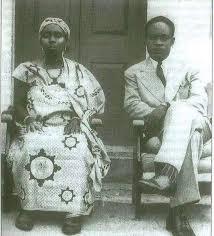
Nkrumah’s early education was rooted in the Roman Catholic primary school in Elmina, followed by the Catholic seminary in Amissano. His passion for learning and his burgeoning interest in politics were evident from a young age.
Nkrumah’s involvement with the Nzema Literary Society and his leadership of the African Students Association of America and Canada marked the beginning of his political awakening. These experiences laid the foundation for his later endeavors in the struggle for African independence.
Education in the United States
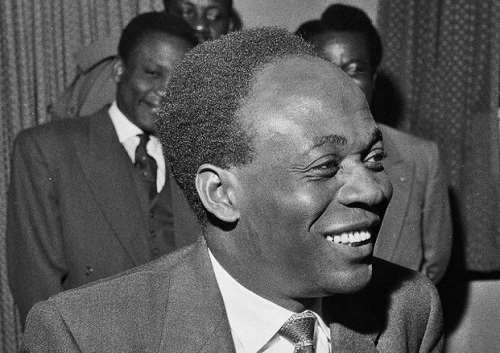
Nkrumah’s academic journey took him to the United States, where he enrolled at Lincoln University in Pennsylvania. Here, he earned a Bachelor of Arts degree in economics and sociology, followed by a Master of Arts degree in philosophy and a Master of Science degree in education from the University of Pennsylvania.
During his time in the United States, Nkrumah was profoundly influenced by the ideas of Marcus Garvey and W. E. B. Du Bois, which significantly shaped his political ideology. His exposure to the Pan-African movement galvanized his commitment to the cause of African liberation.
Return to the Gold Coast

Upon his return to the Gold Coast, Nkrumah quickly became a central figure in the fight for independence. He joined the United Gold Coast Convention (UGCC) as its general secretary, but soon recognized the need for a more radical approach.
In 1949, he founded the Convention People’s Party (CPP), advocating for immediate independence and social justice. Nkrumah’s charisma and oratory skills resonated with the masses, rapidly propelling the CPP to prominence.
Political Career

Nkrumah’s leadership and vision culminated in his appointment as Prime Minister of the Gold Coast in 1952. Under his guidance, Ghana became the first African nation to gain independence from colonial rule in 1957.
As the first Prime Minister and later President of Ghana, Nkrumah implemented socialist and nationalist policies aimed at transforming the country. His administration focused on the development of national industries, infrastructure, and education systems.
Additionally, Nkrumah was a staunch advocate of Pan-Africanism, playing a crucial role in the founding of the Organization of African Unity and receiving the Lenin Peace Prize in 1962.
Challenges and Fall

Despite his numerous achievements, Nkrumah’s tenure was not without controversy. His government increasingly adopted authoritarian measures, suppressing political opposition and conducting elections that were criticized for lacking fairness. In 1964, Nkrumah declared Ghana a one-party state and assumed the title of “Osagyefo Dr.”
His administration’s growing centralization of power led to discontent, culminating in his overthrow in 1966 by the CIA-backed National Liberation Council. This coup marked the end of his direct political influence, but not his enduring legacy.
Legacy
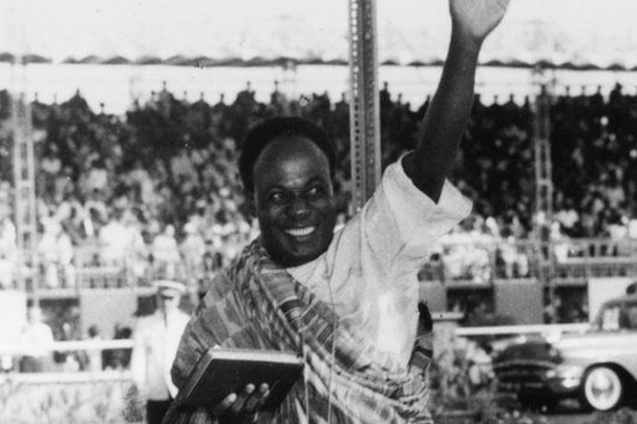
Dr. Kwame Nkrumah’s impact extends far beyond the borders of Ghana. He is remembered as a visionary leader whose efforts significantly contributed to the decolonization of Africa and the promotion of Pan-African unity.
His ideas and actions continue to inspire leaders and activists across the continent and beyond. Nkrumah’s life is a testament to the power of visionary leadership and the enduring struggle for justice and equality.
Top 10 Lessons from Dr. Kwame Nkrumah

1. Embrace Pan-Africanism: Nkrumah’s unwavering commitment to Pan-Africanism highlights the importance of unity and solidarity among African nations. Young leaders can learn the value of collaboration and collective progress.
2. Develop a Strong Educational System: Nkrumah prioritized education, understanding its critical role in national development. Investing in education ensures a knowledgeable and empowered populace.
3. Foster National Industries: Nkrumah emphasized the development of national industries to reduce dependency on foreign powers. Building local industries creates jobs and fosters economic independence.
4. Promote Social Justice: His administration’s focus on social justice ensured that the benefits of independence were equitably shared. Leaders should strive to create inclusive and fair societies.
5. Be a Visionary Leader: Nkrumah’s ability to envision an independent Ghana and lead the country toward that goal exemplifies visionary leadership. Leaders must have a clear and compelling vision.
6. Build Coalitions: Nkrumah successfully built coalitions with other African leaders and organizations. Effective leadership often involves forging alliances and working collaboratively.
7. Be Prepared to Make Sacrifices: Nkrumah faced numerous challenges and made significant sacrifices for Ghana’s independence and African unity. True leadership often requires personal sacrifices.
8. Develop a Strong Political Party: His leadership of the CPP demonstrated the importance of a robust political party in achieving and maintaining political power. Strong organizational structures are crucial for effective governance.
9. Be Resilient in the Face of Adversity: Nkrumah’s resilience in the face of opposition and challenges is a testament to his determination and commitment. Leaders must be steadfast and resilient.
10. Inspire and Motivate: Nkrumah’s oratory skills and charismatic leadership inspired many to join the struggle for independence. The ability to inspire and motivate others is a key leadership quality.
Conclusion
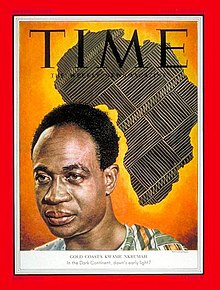
Dr. Kwame Nkrumah’s life and work offer a rich tapestry of lessons for young leaders. His dedication to Pan-Africanism, commitment to education and national development, and resilience in the face of adversity provide invaluable insights for aspiring leaders.
Nkrumah’s legacy continues to inspire and motivate generations of Africans and non-Africans alike, serving as a beacon of hope and progress.
By studying his life and applying these lessons, young leaders can contribute to a more just, united, and prosperous world.


 Inspiring Net
2 replies on “Osagyefo Dr. Kwame Nkrumah: The Architect of African Independence and His Lessons for Young Leaders”
Very inspiring God bless you
LikeLike
Thanks, Sam. God bless you too.
LikeLike