

Introduction
Ghana is currently grappling with economic challenges that have left many struggling to make ends meet. With inflation rates at 43.1% and the cost of living continuously rising, financial survival has become a priority for many Ghanaians.
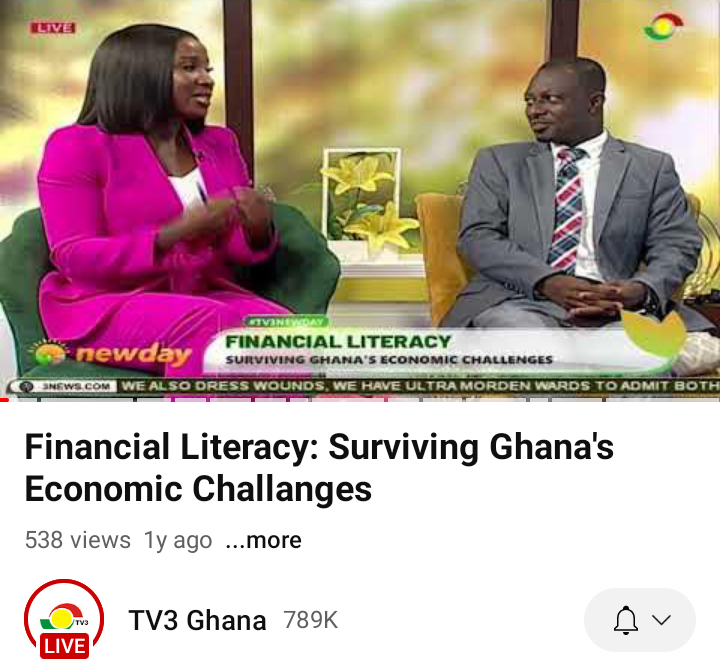
On the ‘New Day Show’ on TV3, economist Mr. Emmanuel Dankwa provided practical tips on how to navigate the financial difficulties while maintaining some level of stability.
This article explores his key insights on budgeting, saving, and investing in these hard times.
1. Budget Before You Spend

Mr. Dankwa’s first piece of advice is clear: pay attention to how you spend your money. He emphasized that it’s essential to budget before spending, as most people often focus on their earnings without tracking where the money is going. “Even before the end of the month, a lot of money comes into your hands, and before you know it, everything is gone,” he noted. By creating a budget, individuals can prioritize necessary expenses and avoid impulsive spending that drains their income prematurely.
2. Live Within Your Means

Another crucial tip from Mr. Dankwa is the need to “fit yourself into your pockets, not someone else’s.” This means living within your financial capabilities and avoiding unnecessary expenditures that could lead to financial strain. With inflation eroding the real value of incomes, adjusting one’s lifestyle is inevitable. He stated, “Your real value of income has reduced, so your attention should be on the maximum use of the money you earn.”
3. Generate Additional Income

Mr. Dankwa acknowledged that for those earning below 2,000 Ghana cedis, surviving on a single income is almost impossible. Therefore, he encouraged individuals to explore other income-generating activities during their free time. “Most of us tend to waste a lot of time. Convert that time into an activity that will earn you an extra income,” he advised. Whether through acquiring new skills or freelancing, this extra income can help alleviate financial pressure.
4. Cultivate the Habit of Saving
Though saving may seem impossible in tough times, Mr. Dankwa stressed its importance for future financial stability. He advised individuals to save no matter how small their income, noting, “Even if it’s something little, it will give you an advantage tomorrow.” By developing the habit of saving now, people can be better prepared for emergencies or future opportunities. Mr. Dankwa admitted that it might feel counterintuitive to save while struggling, but consistency is key.
5. Invest Wisely

When discussing investments, Mr. Dankwa urged caution. “You don’t just invest because every investment has risks,” he said. While investments can offer returns, it’s essential to assess the risks carefully, especially in times of economic instability. He also pointed out that although government bonds have traditionally been considered safe, even these can carry risks, as seen in recent bond restructurings. For those considering investments, it’s important to align them with long-term goals and risk tolerance.
6. Prioritize Savings Over Spending

In response to a common concern about balancing saving and paying bills, Mr. Dankwa advised prioritizing savings as much as possible, even if it means cutting back on spending. “Savings should be number one, no matter how much you earn,” he stressed. Building savings over time may seem slow, but it shows commitment and makes it easier for others to have confidence in you when seeking financial help or partnerships.
7. Build a Network and Acquire Skills

Finally, Mr. Dankwa highlighted the importance of building a professional network and acquiring skills that can increase employability, especially in multinational organizations. In a job market where the public sector is saturated, having the right skills and networks can open doors to better opportunities. He also suggested that people think of entrepreneurship as a viable alternative, even though starting a business in Ghana can be capital-intensive.
Conclusion

Surviving financial hardship requires a strategic approach to managing personal finances. Mr. Emmanuel Dankwa’s insights on budgeting, saving, investing, and finding additional income streams offer practical solutions for navigating the current economic difficulties in Ghana.
His advice to live within one’s means, invest wisely, and consistently save—even in small amounts—can help individuals weather the storm and potentially come out stronger. While times may be hard, with the right mindset and financial discipline, survival is possible.


 Inspiring Net