

Introduction
The first time my article appeared in a leading magazine, I was the happiest man on earth. I felt very good that I had achieved something worthwhile from my days as a student when I wrote pieces and posted on notice boards for students to read and be informed about matters on campus.
In its simple terms, an article is a type of writing that is meant to reach a large audience. It can be published in a newspaper, magazine or digital platform. For example, a typical article is what you are reading about a specific topic about writing and publishing your article.
Writing an article can seem like a difficult task, but with a structured approach, you can transform a simple idea into a polished piece of writing.
This guide will take you through the essential steps to create an engaging and well-crafted article, from brainstorming to final edits.
1. Brainstorming Ideas
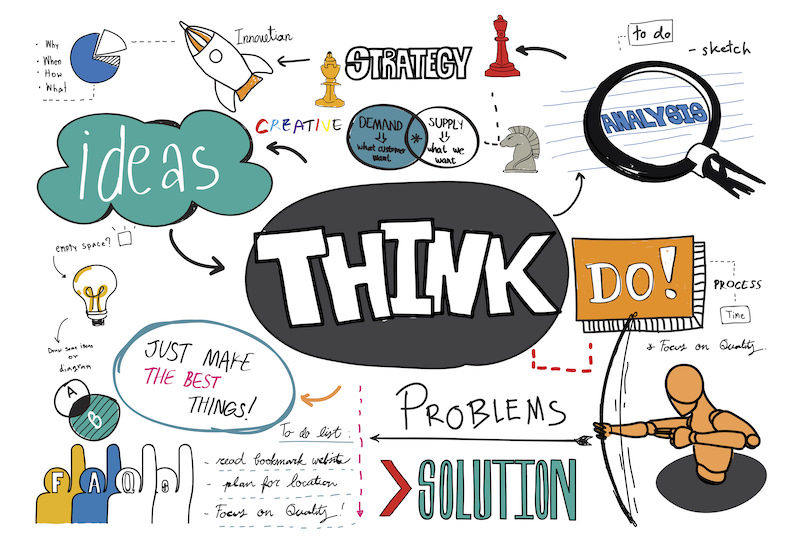
Start by brainstorming topics that interest you and are relevant to your audience.
Use techniques like mind mapping, free writing, or listing to generate a variety of ideas. Don’t censor yourself at this stage; the goal is to get as many ideas on paper as possible.
For example, if you’re interested in health and wellness, you might jot down ideas like “benefits of yoga,” “healthy eating habits,” “mental health awareness,” or “exercise routines for beginners.”
2. Researching Your Topic

Once you’ve chosen a topic, conduct thorough research to gather information and perspectives.
Use credible sources such as academic journals, books, reputable websites, and interviews with experts.
Make notes of key points, quotes, and statistics that will support your article.
Let’s say you choose “healthy eating habits,” research various dietary guidelines, scientific studies on nutrition, expert opinions from dietitians, and real-life success stories.
Reliable sources could include sites like Mayo Clinic, Harvard Health, or interviews with nutritionists.
3. Crafting a Strong Thesis Statement

A clear thesis statement will guide your writing and inform your readers of the article’s main point.
It should be concise and specific, summarizing the central argument or purpose of your piece.
You can clearly state this: “Adopting healthy eating habits can significantly improve overall well-being and prevent chronic diseases.”
4. Creating an Outline

Organize your thoughts and research findings into a structured outline.
Break down your article into sections, including the introduction, body, and conclusion.
Under each section, list the main points and subpoints you plan to cover.
A typical outline can take the following form:
– Introduction
– Hook: Surprising statistics about diet-related diseases
– Background: Brief overview of current eating habits in society
– Thesis statement: Benefits of adopting healthy eating habits
– Body
– Benefits of healthy eating
– Improved physical health
– Enhanced mental well-being
– Practical tips for healthier eating
– Balanced meals
– Reading nutrition labels
– Common challenges and solutions
– Dealing with cravings
– Budget-friendly healthy eating
– Conclusion
– Summary of key points
– Restate thesis
– Call to action: Start small changes today
5. Writing the Introduction
Your introduction should grab the reader’s attention and introduce the topic.
Start with a hook, such as an interesting fact, quote, or question.
Provide some background information and end with your thesis statement.
An introduction can go like this: “Did you know that nearly 40% of adults worldwide are overweight? In today’s fast-paced world, unhealthy eating habits have become alarmingly common.
By adopting healthier eating habits, we can improve our overall well-being and prevent chronic diseases. Here’s how.”
6. Developing the Body

In the body of your article, expand on the main points outlined earlier.
Each paragraph should focus on a single idea, starting with a topic sentence followed by supporting evidence and examples.
Ensure a logical flow between paragraphs with transitional phrases.
Read the following examples to help you build your body:
– Improved Physical Health: “Eating a balanced diet rich in fruits, vegetables, and whole grains can reduce the risk of chronic diseases such as heart disease, diabetes, and obesity.
For instance, a study from the American Heart Association found that people who followed a Mediterranean diet had a 25% lower risk of developing cardiovascular disease.”
– Enhanced Mental Well-being: “Nutrients like omega-3 fatty acids, found in fish and flaxseeds, are known to boost brain health.
A study in the Journal of Psychiatric Research showed that individuals who consumed these nutrients regularly reported lower levels of depression and anxiety.”
7. Crafting a Compelling Conclusion

Summarize the key points discussed in the body and restate your thesis in a new way.
The conclusion should provide closure and leave the reader with something to think about.
Avoid introducing new information at this stage.
You can craft a memorable conclusion like this: “In summary, adopting healthy eating habits can lead to significant improvements in both physical and mental health. By making small, consistent changes to our diet, we can pave the way for a healthier and happier life. Start your journey to better health today by making mindful food choices.”
8. Revising and Editing

Revising is a critical step that involves re-reading your article and making changes to improve clarity, coherence, and overall quality.
Look for areas where you can refine your arguments, clarify your points, and eliminate redundancies.
After revising, edit for grammar, punctuation, and style consistency.
During revision, you might notice that a paragraph on physical health benefits is too vague. You can add specific examples or data to make it more compelling.
Editing might involve correcting grammatical errors or rephrasing sentences for better readability.
9. Seeking Feedback

Before finalizing your article, seek feedback from peers, mentors, or professional editors.
Fresh eyes can catch mistakes you might have missed and provide valuable insights into how your article can be improved.
Share your article with a friend who is knowledgeable about health topics or join a writing group where members review each other’s work.
Constructive feedback can help you identify areas for improvement and enhance the overall quality of your article.
10. Final Proofreading
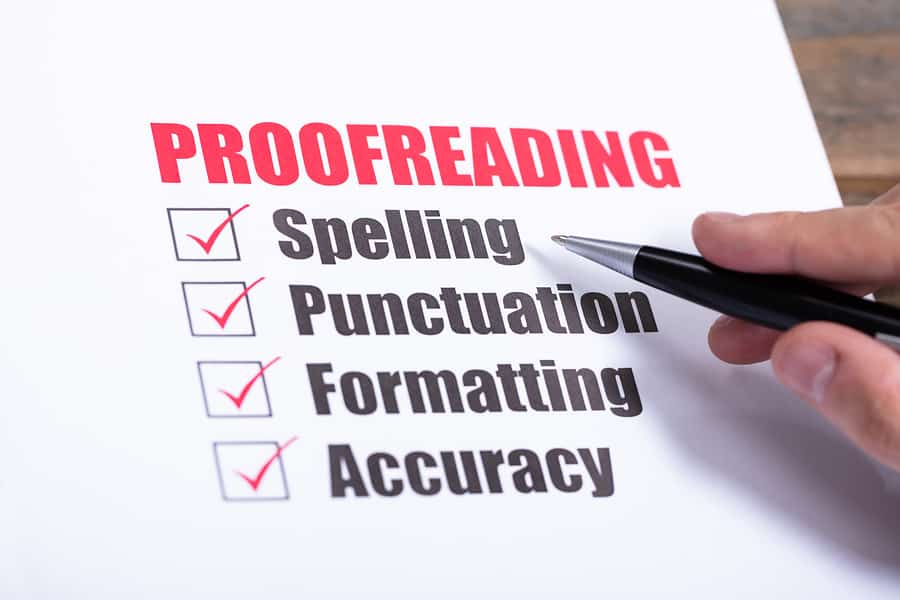
The last step is a thorough proofreading session to catch any remaining errors.
Check for typos, spelling mistakes, and formatting issues.
Reading your article aloud or using tools like text-to-speech can help identify awkward phrasing or missed errors.
Use spell check tools like Grammarly or read your article out loud to catch any awkward sentences or minor errors.
This final polish ensures your article is professional and ready for publication.
Conclusion
Turning an idea into a well-written article is a process that involves careful planning, research, writing, and revision.
By following these steps, you can ensure that your article is engaging, informative, and polished, ready to capture the interest of your readers.
With practice and persistence, you can master the art of article writing and confidently share your ideas with the world.
What have you learnt from this article? Share your thoughts with us in the comment section below.


 Inspiring Net
One reply on “From Idea to Article: A Writer’s Guide”
Thank you.
LikeLike