

Introduction
Dr. Kwabena Duffuor is a prominent Ghanaian economist, banker, and politician who has played a significant role in shaping Ghana’s economic landscape over the past few decades.
His career spans various sectors, including banking, academia, and government, where he has held high-profile positions such as Governor of the Bank of Ghana and Minister of Finance.
This profile explores the life, career, and contributions of Dr. Duffuor to Ghana’s economic development.
Early Life and Education
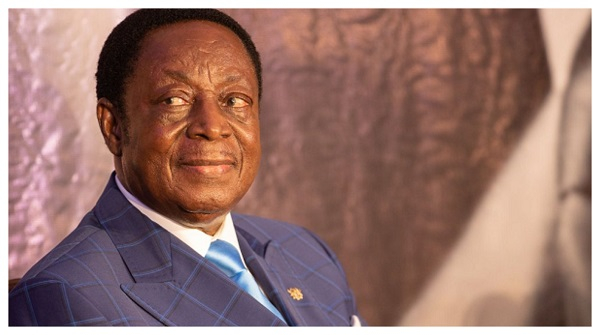
Born in 1946 in Kumawu, Ashanti Region, Kwabena Duffuor began his educational journey at Prempeh College in Kumasi. He credits the school for shaping his early development, stating, “Prempeh made me who I am today”.
After completing his secondary education, Duffuor proceeded to the University of Ghana, where he graduated with a B.Sc. degree in Economics in 1968.
Driven by a thirst for knowledge, Duffuor pursued further studies at Syracuse University in New York, USA. There, he obtained an MBA in Finance and Banking, an MA in Economics, and a Ph.D. in International Finance.
Career in Banking
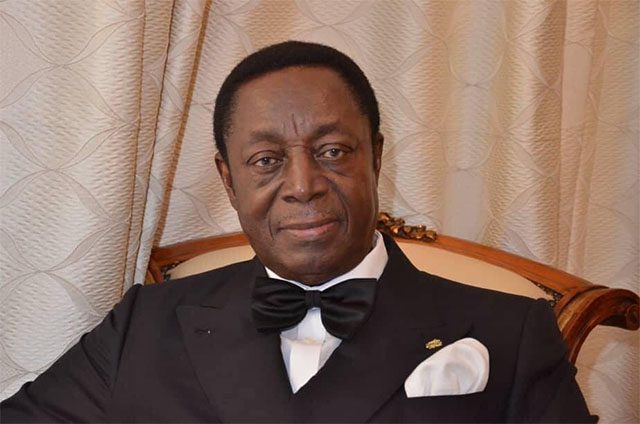
Duffuor’s professional career began at the Volta River Authority in 1968. However, he soon transitioned to banking, joining Ghana Commercial Bank (now GCB Bank) in 1969.
His tenure at GCB Bank saw him rise through the ranks, eventually becoming General Manager and Head of the London Branch in 1991.
As head of GCB London, Duffuor oversaw impressive growth. He recalls, “The bank’s profits soared from £1.5 million in 1991 to £3.6 million in 1994. Consequently, the income/expense ratio dropped from 75% in 1991 to 55% by the end of 1994”.
Central Bank Governor
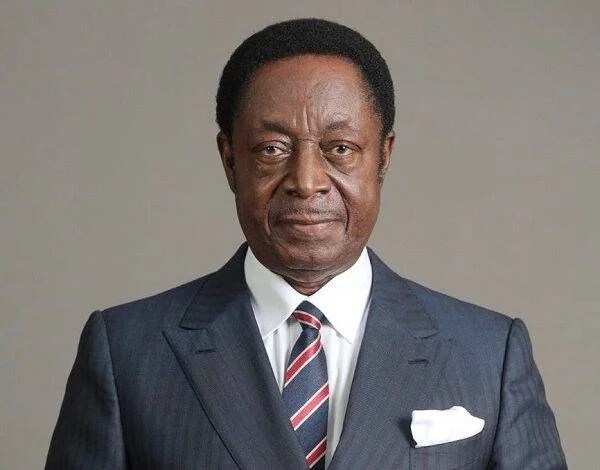
In 1995, Duffuor was appointed Deputy Governor of the Bank of Ghana, and two years later, in 1997, he became the Governor. His tenure as Governor was marked by significant reforms and initiatives.
One of his notable achievements was the conversion of Ghana Commercial Bank’s London Branch into a UK-incorporated bank, Ghana International Bank plc, in 1998.
Reflecting on his time as Governor, Duffuor emphasises the importance of discipline in economic management: “We need to be disciplined. What is required is discipline and expertise. We have run this economy before”.
Finance Minister

In 2009, Duffuor was appointed Minister of Finance and Economic Planning under President John Atta Mills. His tenure was characterised by efforts to stabilise the economy and improve revenue mobilisation.
He introduced the fiscal stabilisation levy, explaining, “I imposed the levy on banks and insurance companies. Five percent. And they all knew that I had business in banking and insurance. But that wasn’t my problem. I have to save Ghana before I save my companies”.
During his time as Finance Minister, Ghana achieved significant economic milestones, including a GDP growth rate of about 15% in 2011, which Duffuor notes was the “highest in Ghana’s entire history, and highest in the world in that year”.
Business Ventures
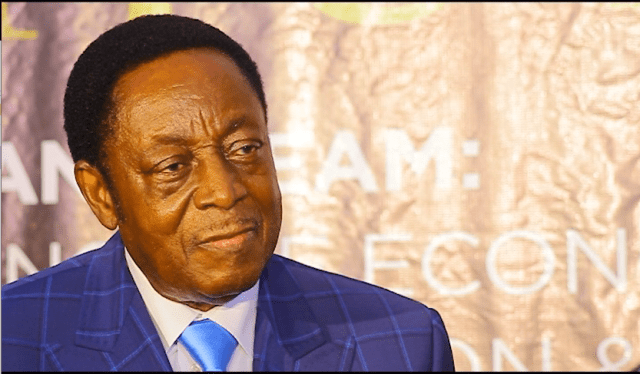
Outside of public service, Duffuor has been a successful entrepreneur. He founded Star Assurance in 1984 and later established uniBank. However, uniBank’s license was revoked in 2018 during a banking sector cleanup, a matter that Duffuor has challenged in court.
Duffuor is also the founder and chairman of HODA Holdings, a conglomerate with interests in insurance, banking, real estate, farming, mining, and media.
Views on Economic Management

Duffuor is a strong advocate for domestic resource mobilization. He argues, “There is no substitute to domestic resource mobilisation. No substitute at all. Why? You are taking the money from your own people, for the development for the people. You are not borrowing to provide public services for your people”.
He has been critical of the heavy reliance on Eurobond issuances in recent years, stating, “Ours was domestic resource mobilisation. Theirs was a focus on the issuance of Eurobond. That’s borrowing”.
On Job Creation and Skills Development

Duffuor emphasises the importance of vocational training and education in addressing unemployment.
He argues, “Having a degree is okay, but you need a degree to go and work. You understand? … Industry needs people with skills for the industry. Not BSc, LLB”.
He advocates for raising the status and remuneration of vocational professions, stating, “Let us raise the image of those in the vocational training and education. Pay them well for them to perform that particular role”.
Views on Corruption
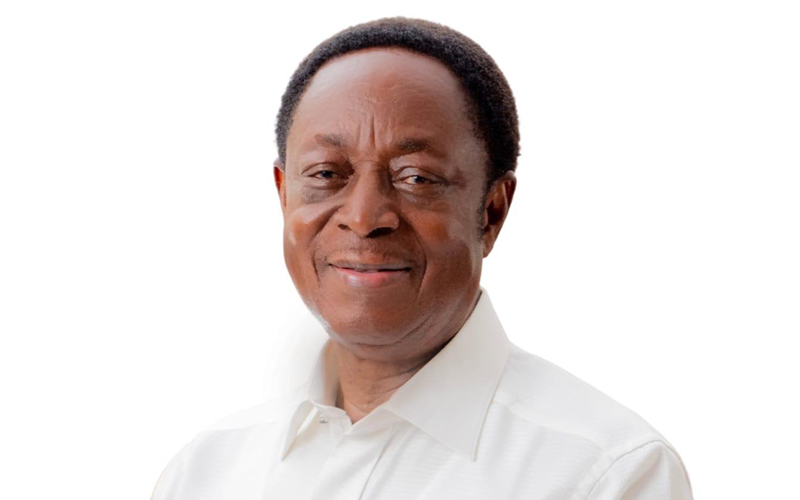
Duffuor believes that addressing corruption requires systemic changes, particularly in political financing.
He suggests, “Let us decide as a nation that we want to own our government. Apart from owning our government through what you suggest should be funding political activities, we cannot deal with corruption?”
He proposes state funding of political campaigns to reduce the influence of private financiers on politicians: “Assuming we put up so much money for you to campaign, and EC is monitoring you, nobody else is paying any money to you. When you win, we have owned you as a nation”.
Recent Activities and Future Aspirations
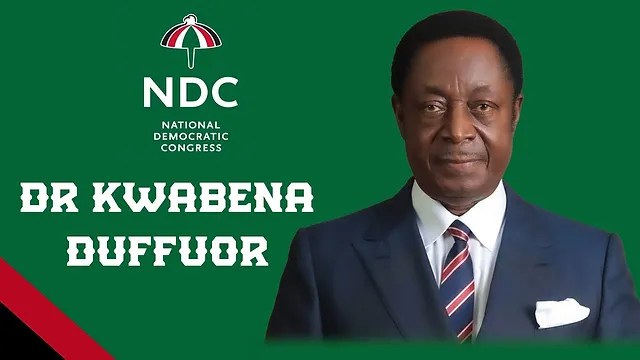
In recent years, Duffuor has been active in political circles. He expressed interest in becoming the flagbearer of the National Democratic Congress (NDC) for the presidential elections. When asked about his chances, he confidently states, “I will come out victorious”.
Duffuor is also involved in philanthropic activities. He has partnered with musician Stonebwoy to build schools in the Volta region, addressing the issue of children studying under trees, which he describes as “a dent on our national conscience”.
Conclusion
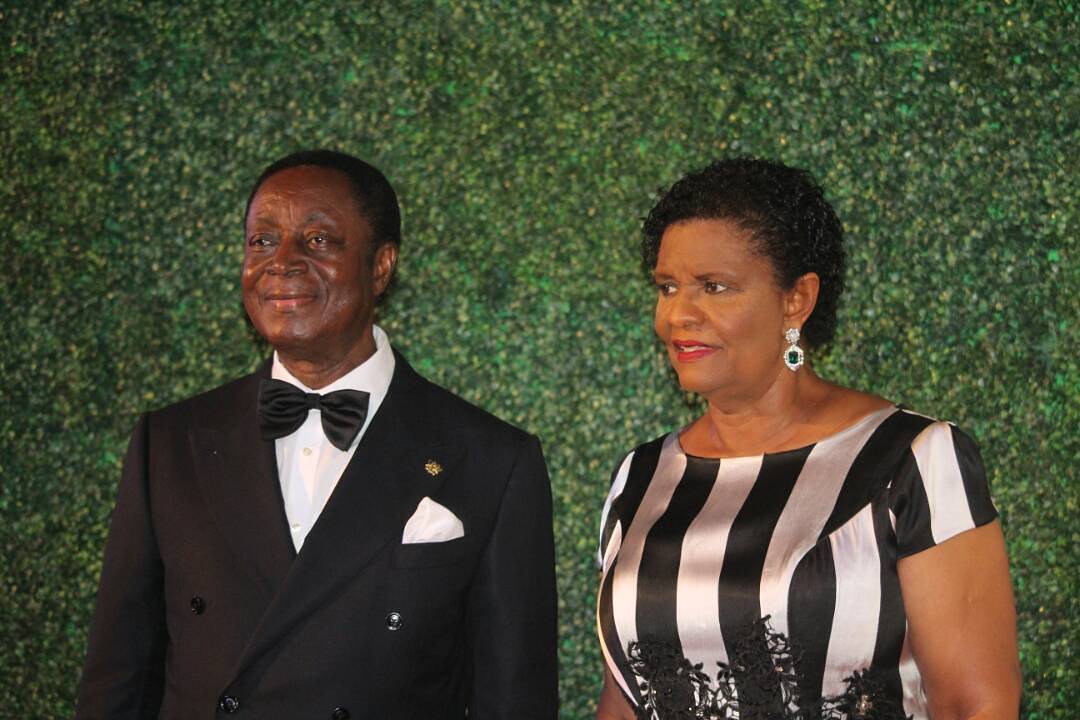
Dr. Kwabena Duffuor’s career spans over five decades, during which he has made significant contributions to Ghana’s economic development.
From his early days in banking to his tenure as Central Bank Governor and Finance Minister, Duffuor has consistently advocated for prudent economic management, domestic resource mobilisation, and skills development.
His insights on economic policy, job creation, and corruption continue to shape public discourse in Ghana.
References:
- Dr. Kwabena Duffuor on GHOne – The Ghanaian Dream
- STARR CHAT W/ Dr Kwabena Duffuor | Nana Aba Anamoah | Starr FM
- Exclusive Interview with Dr. Kwabena Duffuor, NDC Flagbearer Candidate
- JoyNews Exclusive with Dr. Kwabena Duffuor (30-11-21)
- https://en.wikipedia.org/wiki/Kwabena_Duffuor
- https://www.ifsghana.org/kwabena-duffour/
- https://www.ghanaweb.com/person/Kwabena-Duffour-2620#google_vignette
- https://ghana.mom-gmr.org/en/owners/individual-owners/detail/owner/owner/show/dr-kwabena-duffuor/


 Inspiring Net
One reply on “I Had To Save Ghana Before I Saved My Companies – Inspiring Story Of Dr. Kwabena Duffuor, Ghana’s Economic Stalwart”
Thank you Rev Bro, please all mails are well recieved. Grateful for sharing please.
LikeLike